
Table of Contents
Front Matter From Our Hearts and Minds From the Record The Cycle of Birth, Life & Death Everyday Life in the 1920’s to 1940’s Appendix
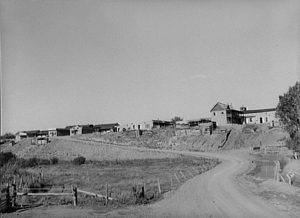
An Introductory Note
…first-person accounts of Rio Colorado [Questa] have been included to give a first-hand view of what life was like here over the years.
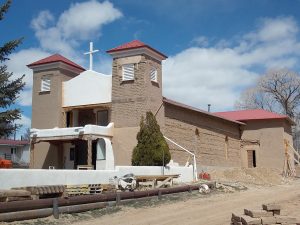
Our Church of San Antonio
San Antonio church is the biggest treasure our forefathers left for us. It was built with a lot of faith and sacrifice. They brought the
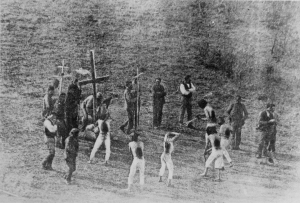
Los Hermanos, La Morada y el Calvario
Every year during Lent and Holy Week, newspapers and magazines all over the country contain an article of one kind or another about Los Hermanos
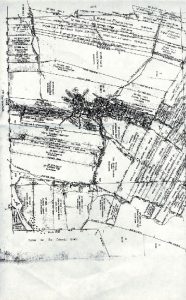
Petitions to Validate the Cañon del Rio Colorado Land Grant
As with many of these early private land claims, the U.S. Land office was hesitant to confirm the grants because of the vague wording of
The Ortega Family
Ortega Family Juan De Jesus Ortega—great grandfather Jose Dolores Chavez—great grandfather Margarita Trujillo De Ortega—great grandmother Maria Antonia Gonzales DeChavez—great grandmother Agapito Ortega—grandfather Teodorita Chavez
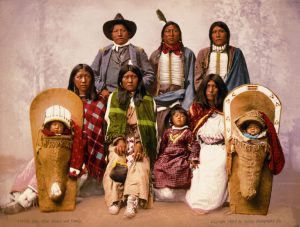
Indians Depredations on Rio Colorado Continue
The arrival of the U.S. Military and the increased traffic on the Santa Fe Trail had served only to increase the anger of the Indians,
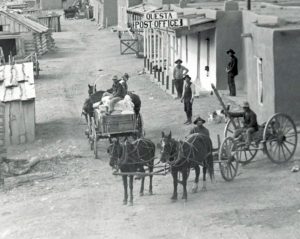
The End of the Trail for Horse and Buggy—J.P. Rael
Bad roads were an obstacle to the industry. Every time a Model T went over this road on its way to Taos it made an awful racket.