
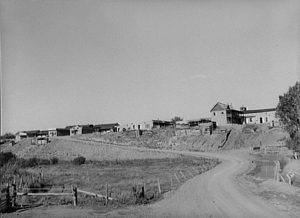
An Introductory Note
…first-person accounts of Rio Colorado [Questa] have been included to give a first-hand view of what life was like here over the years.
Table of Contents
Front Matter From Our Hearts and Minds From the Record The Cycle of Birth, Life & Death Everyday Life in the 1920’s to 1940’s Appendix
Questa area timeline
Questa area timeline. 300 million years ago Area covered by shallow ocean 36–25 million years ago Sangre de Cristo Mountains formed, Rio Grande Riftbegins to
Work and Play in Questa
We played Las Iglesias. We played kick the can, baseball, marbles, hide and seek, and tell stories.
More Arrivals and Visitors in Rio Colorado
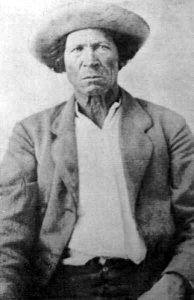
The presence of Francisco Laforet in Rio Colorado drew other trappers and traders to settle in this valley. One of the most colorful, and famous,
Customs for betrothal and marriage
The “Alwasiles” sheriffs were very strict. If they found a girl or a boy talking to each other out in public they would take them
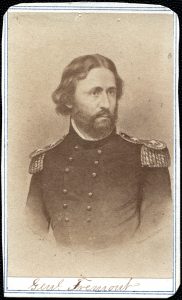
John “The Pathfinder” Fremont Comes to Rio Colorado
“…who loves to be told of his greatness…” and “jealous of anyone who may know as much or more of any subject than himself…”
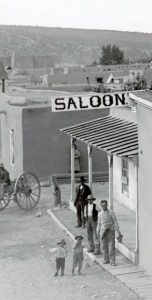
A New Frontier
By 1840 San Antonio del Rio Colorado was well established and new settlers were continually arriving and more houses were being built all along the
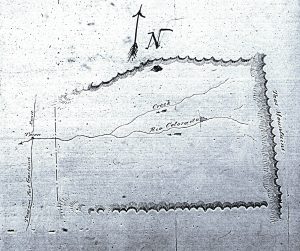
The Cañon del Rio Colorado Land Grant
The first attempt for this grant was the June 12, 1836 petition for land filed by Antonio Elias Armenta, Jose Victor Sanchez, and Jose Manuel
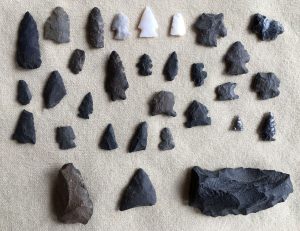
Before the Spanish Entrada
Evidence of Clovis, Folsom, and Oshara/ Upper Rio Grande Cultures in Questa Area
Additional Reading
Abert, Lieutenant James Willian. Expedition to the Southwest: An 1845 Reconnaissance of Colorado, New Mexico, Texas, and Oklahoma. University of Nebraska Press, Lincoln, 1999 Arny, W.F.M.